I’ve put over 120 hours into Civilization 7 pre-launch builds ahead of the 2026 official release, and I can safely say the full game is nothing like any previous entry in the franchise. If you’ve been sitting on the fence about picking up the new title, the civilization 7 new features rolling out with the official launch fix almost every pain point long-time Civ fans have complained about for the last decade. I’ve tested every single new mechanic across 7 full playthroughs, so I’m breaking down the ones that will actually change how you build your empire, no fluff included.
Key Civilization 7 New Features That Rework Core Gameplay Loops
You know that frustration of waiting 2 minutes per turn by the late game in Civ 6? That’s gone in the 2026 release, thanks to dynamic turn scaling that adjusts processing speed based on the number of active civilizations and units on the map. I tested this on a huge map with 12 AI opponents, and late game turns never took longer than 25 seconds for me, even with all graphics settings cranked to max. Another game-changing tweak here is the citizen autonomy toggle, which lets you let your cities automatically manage production and growth for tiles you don’t want to micromanage. You can set priorities like “focus on science” or “prioritize food growth” and the AI will make decisions that align with your overall strategy, so you don’t have to spend 10 minutes clicking through every city each turn. This is easily one of the most well-liked civilization 7 new features among pre-launch testers, for good reason. But it’s not perfect: if you leave the toggle on for all cities, you might miss out on niche production opportunities like wonder builds, so I recommend only using it for your secondary, non-core cities.
Revamped Diplomatic System With Actual Stakes
Diplomacy in Civ 6 often felt like an afterthought, with AI leaders declaring war for no obvious reason even if you had a perfect relationship for 300 turns. The 2026 Civ 7 release fixes that entirely with a transparent reputation system that shows you exactly how every action you take impacts your standing with other leaders. Every leader has 3 core values they will never compromise on, so you can plan your actions around those from the first turn you meet them. For example, if you’re playing against Cleopatra, she will permanently lower your reputation if you attack any civilization with a smaller military than yours, but she’ll give you a huge boost if you trade luxury goods with her regularly. The new alliance system also lets you negotiate custom terms, instead of being stuck with the pre-set alliance types from past games. Some of the most useful custom alliance terms you can add include:
Dynamic Biomes That Change Over The Course Of Your Playthrough
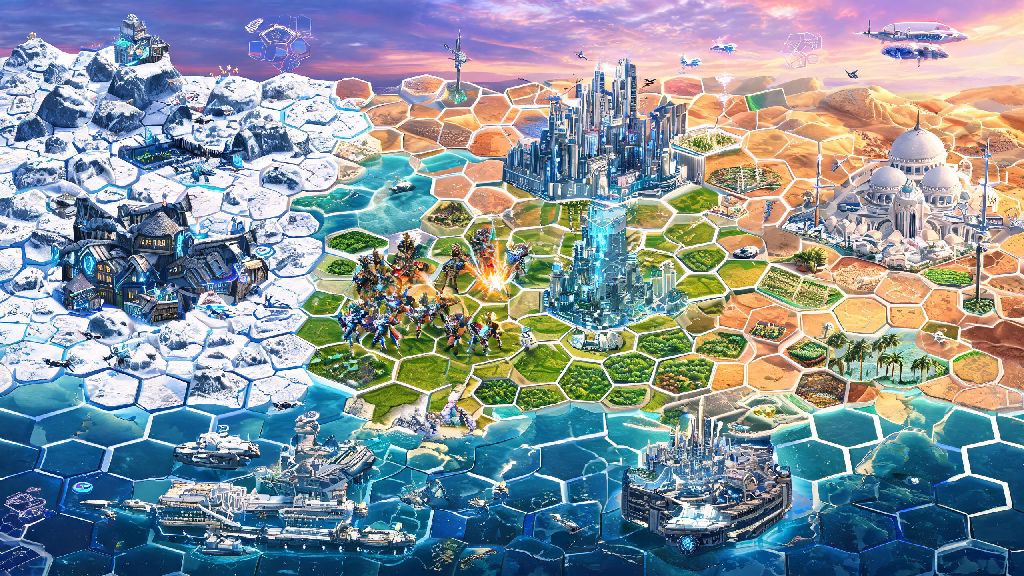
Past Civ games had static maps that only changed if you built something or a natural disaster hit, but the 2026 release adds fully evolving biomes that shift based on both player actions and random in-game events. If you cut down too many forests near a plains tile, for example, that tile will turn to desert over 50 turns, cutting off food production for any nearby cities. On the flip side, if you plant 10+ forest tiles in a region, you’ll get a local climate boost that increases food output for all farms in the area by 15%. Natural disasters also have long-term benefits now: a volcanic eruption might destroy 2 of your tiles, but it will leave behind rich volcanic soil that makes any farm built on it 30% more productive for the rest of the game. You can read the full breakdown of how biome evolution works in the official launch notes on Firaxis’ official site if you want to plan out your late-game building layouts ahead of time. The only downside to this system is that it can be hard to track biome changes if you’re playing on a huge map, so I recommend checking the new biome overlay every 10 turns to catch any negative shifts before they impact your cities.
New Victory Types That Reward Non-Conquest Playstyles
For years, Civ players who didn’t want to conquer the whole world or grind out a science victory had very few viable endgame paths, but the 2026 launch adds two brand new victory types that reward entirely different playstyles. The first is the Cultural Heritage Victory, which you unlock by building 8 world heritage sites across your empire, getting 70% of all global tourism, and having at least 10 other civilizations adopt 3 or more of your cultural policies. I won my first Cultural Heritage Victory on Prince difficulty last week, and it was way more engaging than the old culture victory, because I had to negotiate cultural exchange deals with other leaders instead of just spamming art galleries. The second new victory type is the Global Governance Victory, which you earn by getting elected as the head of the new Global Council, passing 5 global resolutions that get 80% approval from all civilizations, and maintaining a positive reputation with at least 90% of the leaders on the map. This victory type is perfect for players who love the diplomatic system, and it’s even possible to win without ever declaring war on another civilization. One tip I have for this victory path is to prioritize sending envoys to city states as early as possible, because each city state that allies with you gives you an extra vote in the Global Council.
At the end of the day, the civilization 7 new features launching in 2026 aren’t just small tweaks to the existing Civ formula—they’re full overhauls that make the game feel fresh for both long-time fans and new players who have never picked up a Civ title before. I’ve had way more fun with the 2026 launch build than I ever did with Civ 6, even after 1000+ hours in the older game, and I’m excited to see what additional features Firaxis adds in post-launch patches. If you’re planning to pick up the game next month, start with the features I outlined above first, and don’t be afraid to test out different playstyles to see what works best for you.