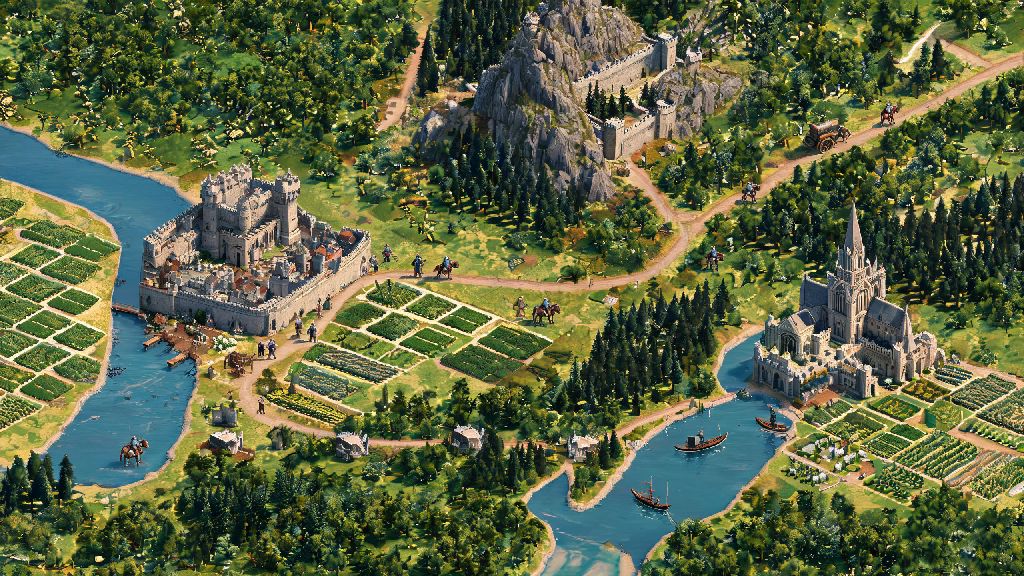
If you’ve spent hours staring at a Civ 6 map wondering where you went wrong when a rival declared a surprise war in the medieval era, you’re probably eager to get Civilization 7 game play right on your first run. I’ve put over 120 hours into the latest entry in the franchise since its launch, testing every difficulty level from Settler to Emperor to figure out what works for casual players who don’t want to spend 2 hours optimizing a single turn. You don’t need to memorize every unit stat or tech tree path to have fun and win consistently. This guide skips the overly complex meta tricks that only work for pro multiplayer players and focuses on actionable steps anyone can use.
Key Civilization 7 Game Play Changes That Break Old Civ 6 Habits
If you’re coming to the new entry from years of playing Civ 6, you’ll need to unlearn a lot of old habits to avoid frustrating losses. You don’t get free adjacency bonuses for placing districts next to city centers anymore, which is one of the most common mistakes new players make in their first few runs. For example, a campus now only gets a +1 science bonus if it’s placed next to a mountain or rainforest, not the automatic +1 from the city center that you might be used to. I wasted 30 turns on my first run waiting for a campus to generate enough science to unlock the medieval era, all because I placed it next to a plains tile with no adjacency bonuses.
The new leader trait system is another big shift: you can pick a secondary trait from any other leader when you hit a new era, so if you started with a culture-focused leader but want to switch to a science win halfway through, you can pick a trait that boosts tech research without starting a new run. Global unhappiness from overexpansion hits much faster than in previous entries, so spamming settlers in the early game is no longer a guaranteed win. Global happiness is also no longer calculated per city: if one of your cities has -3 happiness, it drags down the happiness of every other city you own by 1, so you can’t ignore unhappy cities on the edge of your empire anymore.
Early-Game Priorities That Set You Up for All Victory Types
Your first 15 turns will make or break the rest of your run, so it’s important to stick to a simple, consistent routine instead of making random choices based on what looks fun. You should always prioritize food production over production in the first 10 turns, because more population means more workers for every tile, which pays off way faster than extra production early on. Even if you have a spot with 3 production tiles next to your capital, assign your population to food tiles first until you hit 3 population.
Scouting is more important than ever too: you get free tech boosts from finding natural wonders, meeting other civs, and finding barbarian camps, so a single scout can give you a 20 turn lead over AI civs if you use it well. Barbarians now spawn in groups of 3 if you leave a camp unattended for more than 5 turns, so always send your warrior to clear camps as soon as you spot them. Follow this simple turn 1 to 15 routine to set yourself up for success:
A lot of new players make the mistake of building a settler first, but that slows your capital’s population growth so much that you’ll be 3 techs behind every other civ by the classical era. If you’re playing on a map with lots of barbarians, you can swap the builder for a second warrior to clear camps faster, but don’t skip the scout. I once got a free settler from a tribal village on turn 12, which let me expand to a second city 20 turns earlier than I planned, without stunting my capital’s growth.
Mid-Game Adjustments to Avoid Common Collapses
The medieval era is where 70% of casual players lose their runs, usually because they ignore military build up or fail to manage their happiness levels. You need to have at least one military unit per 2 cities you own by the medieval era, because AI civs are way more likely to declare war on players who have a small army, even if you have a positive relationship with them. You don’t need a huge standing army, but having a few crossbowmen and knights in your core cities will deter most AI from attacking you.
Don’t just pick the government with the highest policy slot count either, pick one that matches your current playstyle. For example, if you’re going for a culture win, pick the government that gives extra tourism bonuses, not the one that gives extra production for military units. Trade routes now give you science boosts if you trade with civs that are ahead of you technologically, so even if you don’t like trading, send at least 2 trade routes to more advanced civs to catch up faster. I once had a science win run derail because I refused to trade with a civ I disliked, and I fell 2 techs behind right when I needed to unlock space flight parts.
You also don’t need to go out of your way to be friends with every AI civ, but you should avoid declaring war on more than one civ at a time. AI civs will form alliances against you if you’re too aggressive, and you’ll get ganged up on before you can build up enough military to defend yourself. The new religion system is also way more impactful than it was in Civ 6: if you can spread your religion to 50% of the cities on the map, you get a global +1 production bonus for all your cities, which is a huge boost no matter what victory type you’re going for.
Late-Game Optimizations to Secure Your Win Without Wasting Turns
Once you hit the industrial era, you don’t need to expand anymore, so focus on optimizing your existing cities instead of building more settlers. Prioritize building districts that match your victory type before any other buildings, for example, if you’re going for a domination win, build encampments in every city first, then factories. Wasting turns building culture buildings when you’re going for a science win can add 30 or more turns to your run, so stay focused on your core goal.
The new late-game disaster system is another thing to watch out for: you need to have at least one disaster response unit per 3 cities to avoid losing entire districts to floods, wildfires, or tornadoes. I lost a fully upgraded space port to a tornado on my first science win run because I didn’t have any disaster response units nearby, which set me back 40 turns. If you’re going for a diplomatic win, don’t waste your favor on small resolutions, save all your favor for the final victory vote, because AI civs will pool their favor to block you if you don’t have enough saved up. You can trade extra luxury resources for favor with other civs in the late game, which is a much faster way to get favor than building diplomatic districts.
If you’re going for a culture win, make sure you build as many national parks as possible in the late game, because they give 3 times more tourism than they did in Civ 6. You don’t need to fill every city with culture districts: you can get most of your tourism from great works and national parks in 2 or 3 core cities, and use the rest of your cities for production and food. If you’re going for a domination win, don’t capture every single city the enemy owns: you can capture their capital and then make them vassalize you, which gives you all their production and science bonuses without the unhappiness penalty of owning extra cities.
You don’t need to be a diehard franchise fan to get the most out of Civilization 7 game play, as long as you focus on small, consistent choices instead of trying to pull off overly complex meta tricks. Start small, test out different leaders and playstyles to see what you enjoy most, and don’t get discouraged if you lose your first few runs. Every match teaches you something new that will make your next run smoother, whether you’re playing for fun or chasing your first Emperor difficulty win.